
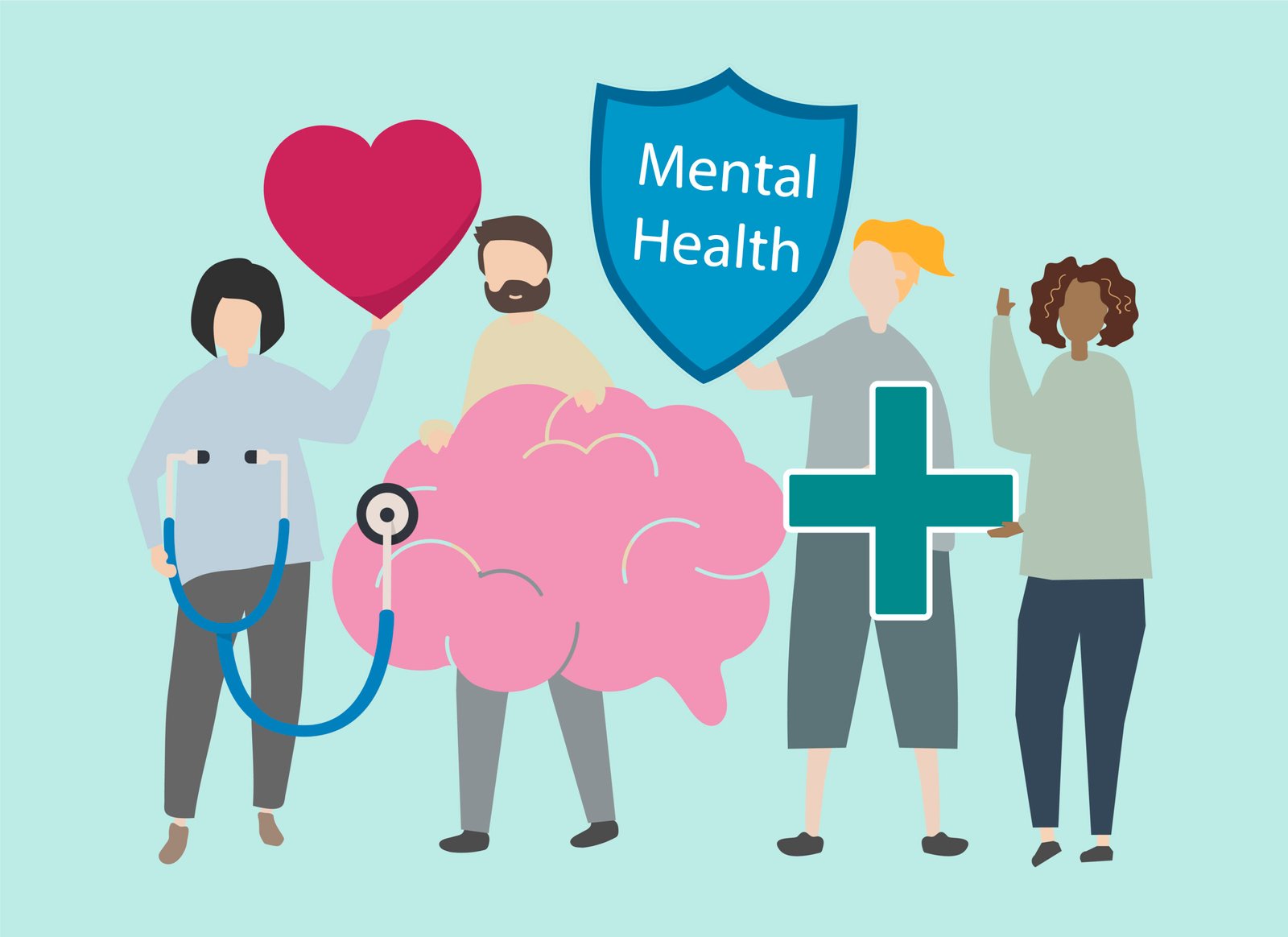
Psychological safety in teams has become a defining marker of successful organizations in India. As workplace cultures evolve and organizations confront new expectations around transparency, inclusion, and employee wellbeing, psychological safety now shapes how teams communicate, innovate, and collaborate. This is a turning point for Indian workplaces. For decades, hierarchy, authority, and formality dictated how people interacted inside companies. Team members often held back ideas, avoided questioning leadership, and hesitated to express concerns openly. But the reality of modern work is different. Speed matters. Creativity matters. Collaborative problem solving matters. And these cannot exist in environments where people do not feel safe to speak.
The growing awareness around psychological safety in teams is not a leadership trend but a response to a deeper shift in the way India works. Organizations today are more complex and interconnected. They operate with diverse teams across regions, functions, generations, and identities. They rely on continuous learning cycles, experimentation, and change. The success of these systems depends on open communication and trust. Without psychological safety, teams experience silence, conformity, and hesitation. With psychological safety, they become sharper, more confident, and more capable of navigating uncertainty.
Why Psychological Safety in Teams Matters
Psychological safety in teams enables a culture where employees feel free to express ideas without fear of judgement or consequences. It allows people to question assumptions, learn from mistakes, and offer suggestions even when they challenge long established norms. When teams lack this sense of safety, hesitation replaces initiative. People avoid speaking up to prevent criticism or conflict. They become more compliant than creative. This leads to poor decision making, slower adaptation, and lost opportunities.
The impact of psychological safety in teams becomes even more visible in India’s multigenerational workforce. Younger professionals prioritize openness and authenticity. They expect leaders to listen actively and respond thoughtfully. They also value workplaces where they can challenge practices that do not align with modern expectations. On the other hand, senior professionals often carry experiences shaped by formal hierarchies and top down decision making. Psychological safety becomes a bridge between these approaches. It creates a shared space where both experience and fresh thinking can coexist and contribute meaningfully.
Psychological safety also strengthens innovation. When people feel encouraged to express ideas, even early stage or unconventional ones, organizations unlock far more creative thinking. In environments where criticism or dismissal is common, people play safe and restrict their contributions to what feels acceptable. This limits innovation and prevents teams from exploring untested possibilities.
Leadership Behaviors That Shape Psychological Safety in Teams
Leaders play the most critical role in creating psychological safety in teams. Their behavior sets the tone for whether people feel free to express themselves or feel compelled to remain silent. Leaders who demonstrate genuine curiosity, active listening, and appreciation for differing views signal to their teams that it is safe to contribute. Leaders who interrupt often, dismiss concerns, or respond defensively create environments where people hesitate to participate.
A leader’s willingness to acknowledge their own mistakes is one of the strongest signals of psychological safety. When leaders model vulnerability and transparency, teams understand that learning is valued over perfection. This gives team members permission to experiment, take thoughtful risks, and admit when they need support.
In hybrid and remote work environments, the responsibility on leaders becomes even greater. Physical separation often leads to reduced visibility and increased uncertainty. Without regular cues and interactions, employees may assume they are being judged more critically or may hesitate to communicate openly. Leaders must therefore be deliberate about creating channels for honest dialogue. They must check in without micromanaging, clarify expectations, and ensure that every team member has equal space to speak. Psychological safety does not happen automatically in virtual settings. It must be created through intentional habits.
Culture and Systems That Reinforce Psychological Safety in Teams
While leadership matters, psychological safety in teams cannot rely solely on individual behavior. It must be embedded into the culture and systems of the organization. Consistent practices, norms, and structures reinforce its presence and ensure that it remains the default way of working. For example, meetings must encourage participation from all voices, not just senior or extroverted members. Decision making must be transparent so that people understand how and why choices are made. Recognition systems must value thoughtful contributions, not just predictable outcomes.
Indian workplaces often carry cultural conditioning that makes employees hesitant to challenge authority or express dissent openly. Many professionals are taught from an early age to avoid questioning senior figures. This cultural inheritance can unintentionally weaken psychological safety in teams. Organizations must actively counteract these tendencies through inclusive practices, feedback mechanisms, and conversations that normalize disagreement and debate.
As digital transformation accelerates, psychological safety is becoming even more essential. Artificial intelligence and new technologies introduce unfamiliar processes, new tools, and shifting responsibilities. Employees may feel unsure about their place or their ability to keep up. If they do not feel safe to ask questions or admit knowledge gaps, they struggle to adapt. With psychological safety in place, employees feel supported during change and more willing to engage in continuous learning.
Psychological Safety in Teams and the Power of Inclusion
Psychological safety in teams is the foundation of meaningful inclusion. Diversity initiatives often fail not because of lack of intent but because employees do not feel safe expressing their ideas or identities. Inclusion is not simply about representation. It is about creating workplaces where every individual feels valued, respected, and heard. Without psychological safety, diverse voices are present but silent. With psychological safety, they contribute authentically and enrich collective thinking.
In India’s rapidly evolving talent landscape, inclusion and retention are deeply connected. Employees now search for workplaces where they can bring their whole selves to work. They want cultures that support authenticity, respect, and trust. When organizations provide psychological safety in teams, they see stronger retention, deeper engagement, and a more committed workforce. People stay where they feel valued. They grow where they feel safe.
Psychological safety also strengthens resilience. Teams that trust one another respond to setbacks constructively. Instead of blaming individuals for mistakes, they examine processes and learn collectively. This ability to recover and grow becomes a strategic advantage in an unpredictable business environment. Indian organizations navigating frequent market shifts, economic changes, and digital disruption benefit significantly from teams that are stable, united, and confident.
How RethinkHR Strengthens This Agenda
RethinkHR has been at the forefront of bringing psychological safety in teams to leadership conversations across India. Through its events, leadership forums, and community driven engagement, RethinkHR consistently highlights the behaviors, cultural practices, and systems that strengthen trust and collaboration. The focus on people purpose progress places human centered leadership at the core of organizational development. It encourages Indian leaders to rethink how team culture is shaped and how workplaces can become more inclusive, supportive, and future ready.
Through panel discussions, keynote dialogues, and experience sharing, RethinkHR gives leaders access to practical insights and real examples from organizations across India. It helps leaders reflect on their own behaviors and understand how psychological safety in teams can become a long term cultural advantage. By offering a platform where HR leaders, business heads, and industry experts engage deeply with these themes, RethinkHR accelerates the adoption of more progressive and people centric leadership philosophies.
Psychological safety in teams is not a temporary initiative or a leadership trend. It is a cultural foundation that requires continuous attention, consistent reinforcement, and genuine commitment. When organizations invest in psychological safety, they build teams that are more innovative, more resilient, and more aligned with the organization’s purpose. Leaders grow into more conscious and empathetic versions of themselves. Employees feel more confident, engaged, and motivated to contribute meaningfully.
India’s future workplaces will be defined by openness, trust, and shared ownership. Teams will thrive only when they feel safe to speak, question, create, and collaborate without fear. As organizations look ahead, psychological safety in teams will continue to shape performance, culture, and leadership excellence.